
Organisations depend significantly on third-party vendors for mission-critical operations, from cloud computing to logistics and other areas, as the world becomes increasingly reliant on the interconnected digital economy. However, the growing challenges in TPRM have made managing third-party vendors more complex than ever before.The vendor ecosystem contributes to increased efficiency and scalability, but also creates new risks.
Third-party risk management (TPRM) has grown to be one of the foundational elements of enterprise risk strategy. Nonetheless, traditional TPRM methodologies are having difficulty keeping pace with the modern vendor ecosystem because of the increased speed, scale, and complexity. Telemetria can assist organisations in addressing the difficulties of TPRM through our AI-based risk intelligence solutions and automated risk monitoring tools. In this article, we identify the biggest challenges facing TPRM today and the ways in which modern tools are changing how businesses manage vendor risk.
What is TPRM?
TPRM is a way for organisations to identify, evaluate, and reduce risks that are created by using outside vendors/partners. The types of risks are vulnerabilities from cyberattacks, failing to comply with regulatory requirements, interruptions in business operations, financial instability, and harm to an organisation’s reputation. As businesses grow and use more digital technologies worldwide, there will be an increasing number of third-party relationships, and companies need to manage these effectively through TPRM.
What are the Key Challenges in TPRM?
- Traditional third-party risk management (TPRM) methods utilise regular assessments that lead to time gaps, during which undetected risks arise. When critical incidents such as a breach or disruption occur, organisations may find that those vulnerabilities were undetectable until after the fact.
- Several TPRM processes still utilise various products (spreadsheets, questionnaires via email, and manual audits), resulting in delays in the vendor onboarding process as well as increased risks related to human error.
- Additionally, legacy methods of TPRM are frequently unable to assess all aspects of risk within a vendor’s full risk profile, particularly on multiple levels (cybersecurity, financial health, and compliance). As a result, critical risks may go unassessed, resulting in increased risk exposure.
- Due to the complexities of managing multiple vendors with varying levels and from different geographic areas, identifying dependencies between vendors and tracking their associated risk becomes incredibly difficult.
- Often, TPRM systems lack integration with relevant procurement, ERP, or supply chain management tools, which causes inefficiencies when accessing TPRM information necessary to make effective and timely business decisions.
- With the tightening regulations surrounding TPRM, organisations must demonstrate that effective TPRM processes are in place to provide continual oversight of third-party risks. If organisations do not comply with those regulations, they risk incurring penalties and damaging their reputations.
How Modern TPRM Tools Are Solving Challenges in TPRM?
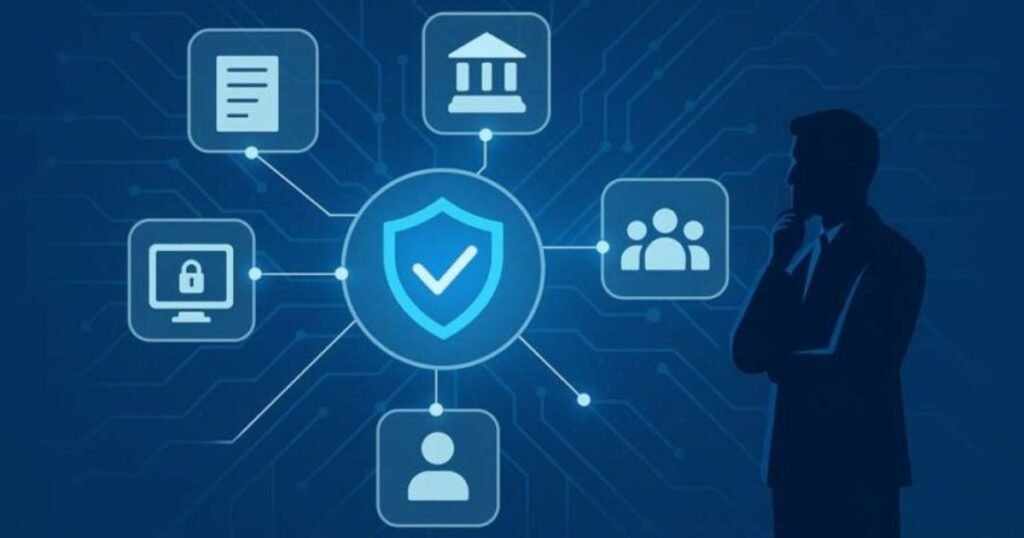
- Continuous vendor risk signal monitoring is possible through modern platforms, keeping businesses updated on changes to vendor profiles, thanks to Telemetria. With real-time notification of cyber events, compliance problems, and operational hazards are totally minimised, thus eliminating blind spots.
- Automated processes replace manual ones by using intelligent workflows to reduce the amount of effort and increase the degree of correctness of the outcome. The automation of vendor assessments, risk scores, reporting, and documentation occurs on the Telemetria platform. The end result is that business continuity and high standards are accelerated during vendor onboarding.
- Modern technology pulls from all types of data sources to provide a complete 360-degree view of vendor risk. We utilise cybersecurity, financial, operational, and compliance-related information to produce a single unified risk profile.
- Artificial intelligence enables an organisation to forecast and prepare for risks in advance. Using predictive models allows for the identification of patterns and deviations prior to a threat event occurring.
- Current TPRM tools are capable of integrating and working with any currently in place business systems, allowing a unified approach to risk management. Currently, Telemetria integrates with both Procurement & ERP systems, thereby embedding risk intelligence into day-to-day decisions.
Modern risk environments have created new challenges for organizations to manage their risk. Telemetria solves these challenges through its AI-powered Risk Intelligence Platform, real-time vendor monitoring, automated workflow and assessment processes, predictive analytics for preemptive risk management, and seamless integration with existing enterprise systems. TPRM has gone beyond mere compliance; it has become a business strategy.
Organizations that have relied on past-style TPRM processes have had little or no visibility into their vendor risks, lacked timely information regarding their vendors’ performance, and were unable to scale their risk management resources effectively. The emergence of modern technologies is allowing organizations to move from reactive, manual TPRM practices to proactive, intelligent, and integrated TPRM practices. Telemetria will empower your organization to build a resilient vendor ecosystem that will support your organization into the future.